

The AI Revolution Meets Resistance
AI job impact is dominating headlines as artificial intelligence rapidly transforms industries worldwide. While tech leaders and businesses tout the benefits of automation and efficiency, a growing chorus of young voices—particularly from Generation Z—are expressing anxiety and resistance. The future of work, it seems, is not being embraced by all.
AI’s Expanding Footprint in the Workforce
The 2026 landscape is marked by accelerated adoption of AI technologies in workplaces across the globe. From major banks to tech giants, companies are making sweeping changes. Standard Chartered recently announced plans to eliminate over 7,000 positions, explicitly citing the replacement of “lower-value human capital” with AI systems. Meta, known for its aggressive AI initiatives, is using employee tracking software to feed its AI models, while preparing to lay off 10% of its global workforce. Amazon has already cut approximately 30,000 corporate jobs as it chases greater efficiency through AI-driven processes. Even fintech firm Block made headlines by slashing nearly half its staff.
These mass job cuts, all justified in the name of AI progress, are fueling a sense of dread among young professionals entering the job market. For many, the AI job impact is not an abstract concern but an immediate reality affecting their prospects and livelihoods.
Leadership Reassures, But Doubts Remain
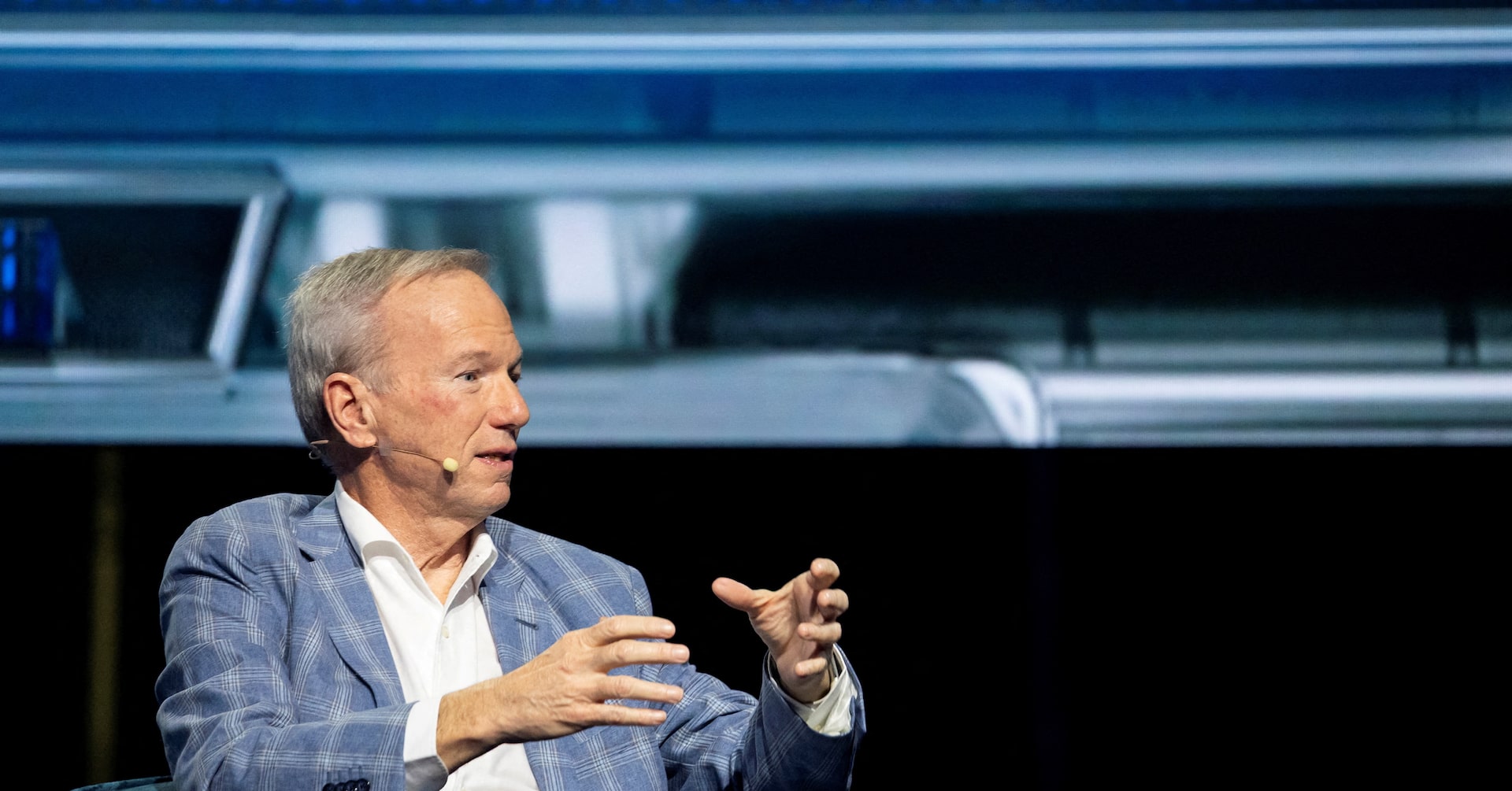
Despite the growing unease, industry leaders continue to promote AI as an unavoidable and even beneficial revolution. Former Google CEO Eric Schmidt, in a recent commencement address at the University of Arizona, described the coming changes as “larger, faster, and more consequential” than anything before. He emphasized that AI would touch every profession and every aspect of personal life. Yet, his remarks were met with boos and vocal skepticism, underscoring the widening gap between executive optimism and workforce apprehension.
Schmidt acknowledged that young people’s fears are “rational” but insisted that adaptation is necessary. This sentiment echoes widely among corporate leaders, who often frame AI disruption as an inevitability rather than a choice.
Gen Z Voices Growing Discontent
The backlash against AI job impact is especially pronounced among Generation Z. A recent Gallup report highlighted that nearly half of Gen Z respondents view AI as a greater risk than benefit, with only 15% considering it a positive force. These figures represent a dramatic shift from the previous year, reflecting a surge in anxiety and anger about the influence of AI on job security, learning, and creativity.
According to the report, usage of AI correlates with more positive attitudes, but many Gen Z workers feel that constant exposure to AI tools hinders deeper learning and stifles creativity. Negative emotions—ranging from skepticism to outright anger—have intensified, and the overall adoption of AI appears to be plateauing among young adults. These findings suggest that while AI’s technological advance is swift, social acceptance among the youngest workers is lagging.
Public Protests and Cultural Pushback
This tension is not limited to survey data. Public incidents at major events highlight the growing unease. At the University of Central Florida, a commencement speech by real estate executive Gloria Caulfield on the “rise of artificial intelligence” was met with boos and heckling. Her assertion that AI represented the next industrial revolution struck a nerve with graduates, many of whom cheered when she acknowledged their discomfort. The scene mirrored reactions at other institutions and in industries worldwide, from Chinese courtrooms to Hollywood writers’ unions and India’s film community.
Navigating the Future: Adaptation or Alienation?
As the debate over AI job impact intensifies, one thing is clear: the next generation of workers is not passively accepting a future dominated by machines. Their concerns about job displacement, loss of creativity, and personal agency are shaping the discourse around AI policy, corporate responsibility, and education. While some experts urge adaptation and upskilling, others warn that ignoring these anxieties could deepen generational divides and erode trust in both technology and leadership.
In the end, the future of AI in the workplace may depend as much on addressing human fears as on technological innovation. As companies and societies grapple with these changes, the voices of Gen Z are likely to play an increasingly influential role in shaping the direction and ethics of AI adoption.
This article is inspired by content from Original Source. It has been rephrased for originality. Images are credited to the original source.