

Introduction: The Debate Over Federal AI Regulation
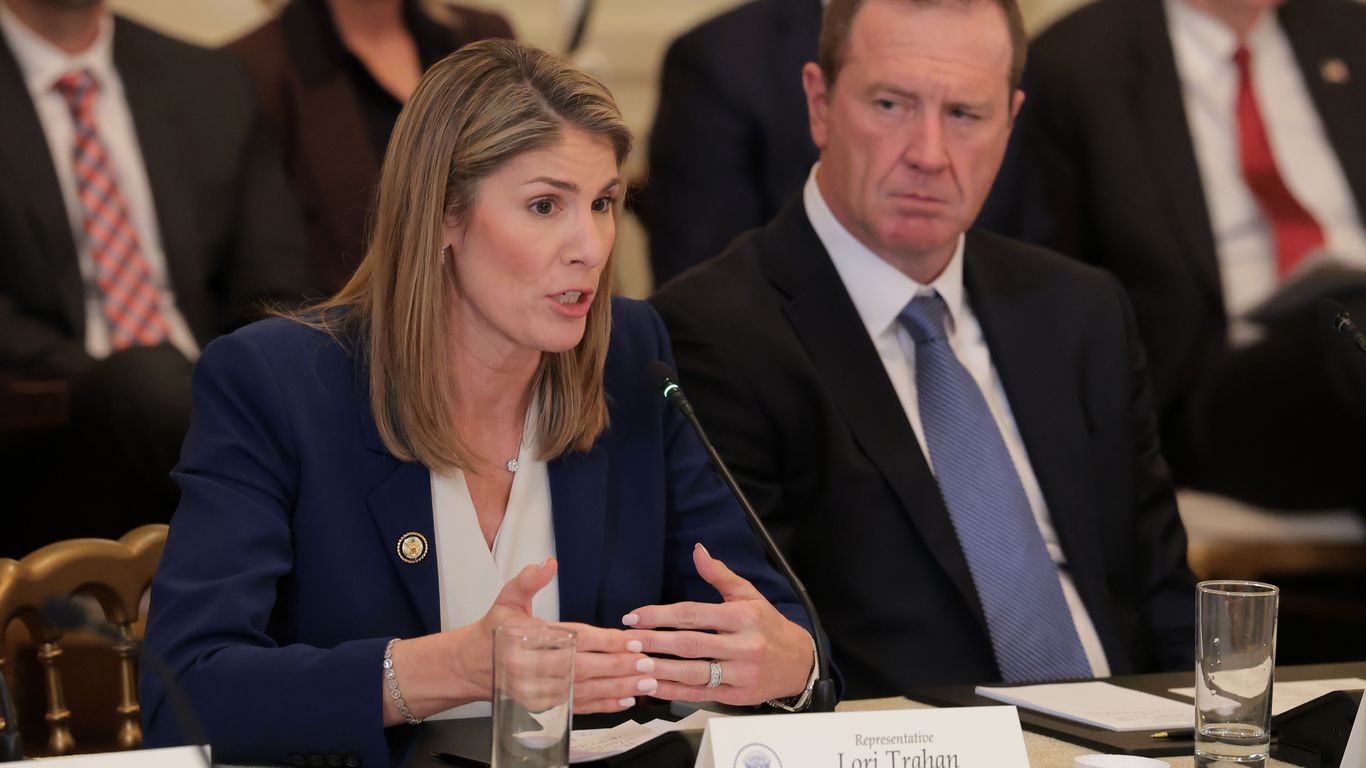
The ongoing debate over federal AI regulation has reached a fever pitch as Massachusetts Representative Lori Trahan faces mounting resistance from progressive groups in her state. The controversy centers on a sweeping federal proposal that could reshape how artificial intelligence is regulated across the United States, igniting passionate responses from advocates, lawmakers, and constituents alike.
The Federal AI Regulation Proposal
Rep. Lori Trahan (D-Westford), a key House Democrat playing a central role in the national discussion on AI regulation, has partnered with Rep. Jay Obernolte (R-Calif.) to introduce the “Great American Artificial Intelligence Act.” This comprehensive, 269-page draft bill aims to establish a federal framework for AI oversight. If enacted, it would freeze new state-level regulations on AI development for three years, prompting concerns about the pace of technological change outpacing regulatory safeguards.
The proposal seeks to clarify the division of power between federal and state governments. Under Trahan’s plan, the federal government would oversee the development of AI models, while states would retain authority over the use and deployment of AI, including issues like discrimination, consumer harm, and deception. Trahan argues that this approach does not strip states of their rights but rather redefines them to ensure uniform standards and accountability.
Progressive Pushback and Concerns
Despite Trahan’s intentions, her proposal has drawn sharp criticism from a coalition of Massachusetts advocacy organizations. Groups such as Common Cause Massachusetts, the Disability Law Center, and local Indivisible chapters voiced their concerns in a letter sent to Trahan on June 17. They argue that Massachusetts has been at the forefront of investigating the risks associated with AI, from chatbots providing dubious medical advice to platforms exposing minors to harmful content.
These advocates contend that a three-year moratorium on state-level AI development regulation would put the public at risk, as regulators are already struggling to keep pace with the rapid evolution of artificial intelligence technologies. They insist that states must retain the flexibility to address unique local challenges and respond to emerging threats as they arise.
State Lawmakers Join the Opposition
Massachusetts state lawmakers have also expressed significant reservations about the federal AI regulation plan. State Senator Michael Moore, along with Representative Tricia Farley-Bouvier, have joined a broader group of legislators warning that a sweeping federal framework could undermine critical state consumer protections, particularly around data privacy and security. Their concerns are further amplified by a surge in data center construction in Massachusetts, which is straining local energy resources and raising questions about the environmental impact of unchecked AI infrastructure growth.
On June 16, more than 200 state legislators from across the political spectrum—104 Democrats, 98 Republicans, and one Independent—signed a letter to Congress demanding that the preemption of state laws be removed from the bill. They argue that freezing state action would handcuff lawmakers at a time when artificial intelligence is evolving at breakneck speed, potentially leaving consumers and vulnerable populations exposed to new risks.
The Bipartisan Challenge and Political Dynamics
The controversy highlights the complex political landscape surrounding AI regulation. For Trahan, the challenge lies in balancing a bipartisan compromise with the expectations of her progressive base. The backlash she faces is emblematic of the broader tensions within the Democratic Party, particularly as some members seek to find common ground with Republicans on technology policy while others push for more aggressive, consumer-focused protections.
According to observers, if Democrats regain control of the House in November, the party could prioritize its own AI regulatory framework. Such legislation would likely emphasize consumer rights and data privacy, with fewer concessions to the tech industry regarding state law preemption. This shift could provide states with greater authority to craft tailored responses to the challenges posed by artificial intelligence.
The Road Ahead for AI Regulation
As the debate over federal AI regulation continues to unfold, it is clear that the path forward will be shaped by intense negotiations and competing visions for the role of government in overseeing emerging technologies. Rep. Lori Trahan finds herself at the center of this pivotal moment, navigating the demands of her constituents, advocacy groups, and fellow lawmakers as she seeks to forge a workable compromise.
Ultimately, the outcome of this debate will have far-reaching implications for the future of AI oversight in the United States. As both federal and state leaders strive to protect the public while fostering innovation, the balance they strike will determine how effectively the nation can respond to the transformative—and sometimes disruptive—power of artificial intelligence.
This article is inspired by content from Original Source. It has been rephrased for originality. Images are credited to the original source.