

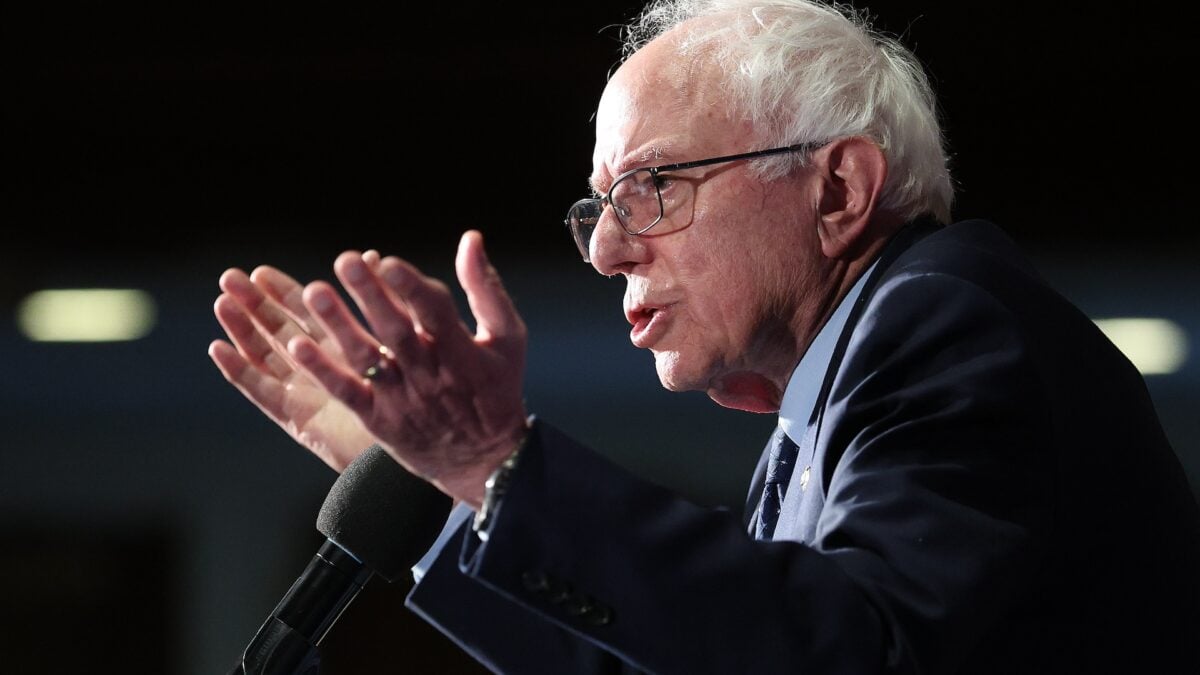
Bernie Sanders Introduces AI Wealth Fund Bill
Bernie Sanders, the independent senator from Vermont, has introduced a new legislative proposal that could significantly change the landscape of artificial intelligence revenue distribution in the United States. The bill, focused on creating a sovereign wealth fund for the nation’s AI sector, aims to ensure that the financial benefits of artificial intelligence are shared broadly among the American public, rather than being concentrated among a handful of tech industry leaders. This initiative, centered on the idea of an AI wealth fund, is designed to pay every American an annual sum of $1,000, with the potential for that amount to increase as the AI industry continues to grow.
The Rationale Behind the AI Wealth Fund
Senator Sanders argues that artificial intelligence is fundamentally a public resource. According to his bill, modern AI systems have been developed using the intellectual, creative, and cultural output of people from around the globe. These contributions include books, music, code, scientific research, and countless other forms of human endeavor that fuel the capabilities of today’s advanced AI models. As such, Sanders believes that the proceeds generated by AI technologies should rightfully benefit the public at large.
“AI derives its economic value from humanity’s collective intelligence,” the bill states. Sanders draws a parallel between AI and natural resources like oil or minerals, which are often managed for public benefit when extracted from publicly owned land. However, he points out that current AI profits mostly flow to a select group of tech moguls, leaving the broader population without compensation for their indirect contributions.
How the AI Wealth Fund Would Work
The proposed AI wealth fund would be valued at approximately $7 trillion, based on the current market capitalization of leading American AI companies. Under the plan, the federal government would hold a 50% public stake in these firms, and the returns would be distributed annually to taxpayers through direct payments. The initial estimate for these AI wealth fund payments is $1,000 per person, but Sanders suggests this amount will likely rise as the industry becomes more profitable.
Beyond individual payments, the fund could also be used to support essential social programs, including healthcare, education, and housing. Sanders envisions the fund acting as a stabilizing force, helping Americans navigate the economic disruptions and workforce shifts that AI advancements may cause.
Precedents and Policy Inspiration
Sanders’ proposal is not without precedent. Over 100 sovereign wealth funds operate in 67 countries, including several in the United States. For example, the Texas Permanent School Fund uses revenue from natural resources to support public education. Sanders’ AI wealth fund draws inspiration from these models, adapting the concept to the digital age where intangible assets like data and algorithms drive immense value.
Bipartisan and Industry Interest in Wealth Sharing
The idea of sharing AI-generated wealth with the public has gained interest across the political spectrum. California Governor Gavin Newsom has instructed state officials to study the feasibility of a similar model known as universal basic capital (UBC). This approach differs from universal basic income (UBI) by providing citizens with an ownership stake in profitable enterprises, rather than unconditional cash payments.
Even within the tech industry, the notion of an AI wealth fund is gaining traction. Companies like OpenAI and Anthropic have acknowledged the need for mechanisms to distribute AI-driven gains more equitably and to protect workers displaced by automation. Both firms, expected to go public soon, have also advocated for international oversight to ensure responsible AI development.
Prominent figures such as Elon Musk have also suggested the government may need to compensate citizens for job losses linked to AI. Former President Donald Trump is reportedly considering similar direct payment schemes tied to equity stakes in AI companies, though Sanders’ bill marks the first time such an idea has been formally introduced as federal legislation.
The Future of AI Wealth Distribution
Senator Sanders’ proposal has sparked a national conversation about who should benefit from the rapid advancements in artificial intelligence. As AI systems reshape industries and economies, the concept of an AI wealth fund may offer a blueprint for more inclusive prosperity. While the bill’s fate in Congress remains uncertain, it has already influenced bipartisan discussions and inspired industry leaders to consider new models of public benefit.
In the years ahead, debates over the ethical and economic implications of AI will likely intensify. Proposals like the AI wealth fund highlight the urgent need to balance innovation with fairness, ensuring that the rewards of technological progress are shared by all.
This article is inspired by content from Original Source. It has been rephrased for originality. Images are credited to the original source.