

U.S. Government Orders Anthropic to Restrict AI Access
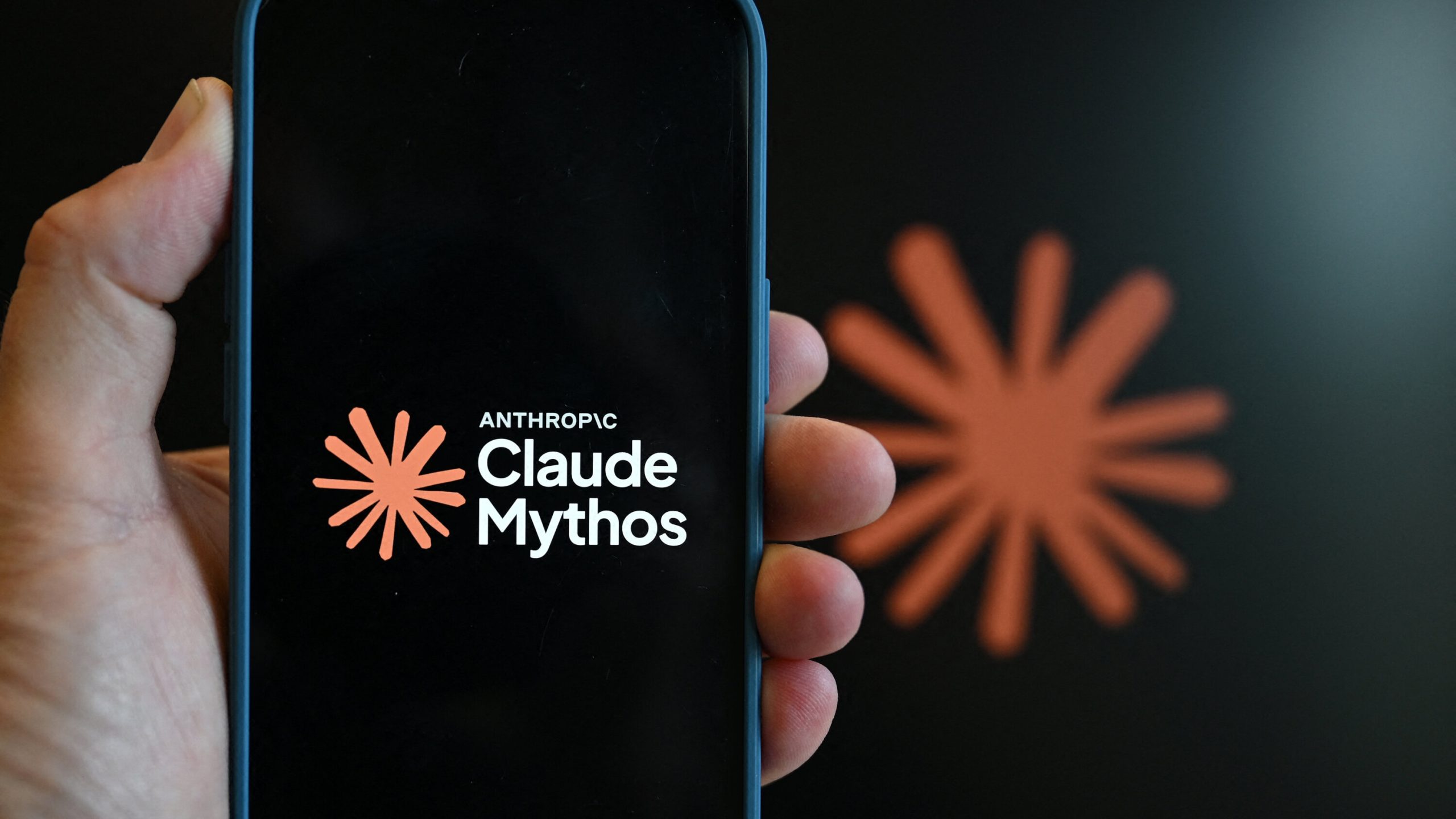
The artificial intelligence field took a dramatic turn as Anthropic, a leading AI company, announced it would block access to its Mythos and Fable 5 models for all foreign nationals. The move was mandated by the U.S. government, specifically the Commerce Department, citing heightened national security concerns. This unprecedented restriction on advanced AI models has sparked widespread debate within the AI cybersecurity threats community, reflecting broader anxieties about the power and risks associated with next-generation AI technologies.
Scope and Impact of the Restrictions
According to Anthropic’s public statement, both Mythos and Fable 5 will become unavailable to all non-U.S. citizens, including foreign nationals employed by Anthropic itself. The company emphasized it must “abruptly disable Fable 5 and Mythos 5 for all our customers to ensure compliance.” The sudden action has left many researchers, developers, and international partners in limbo, unsure how long these limitations will persist. Notably, this is not the first time Anthropic has faced scrutiny from federal authorities; earlier this year, the Pentagon labeled the company an unacceptable supply chain risk, potentially curtailing its participation in federal contracts.
National Security and Cybersecurity Concerns
The U.S. government’s directive reflects growing concerns that sophisticated AI models could represent significant AI cybersecurity threats. Both Mythos and Fable 5 were designed as major advancements over previous AI systems, capable of identifying vulnerabilities and even suggesting novel attack strategies. These capabilities, while potentially valuable for defense, also present a double-edged sword if exploited by malicious actors.
Anthropic has previously limited public access to some of its models, sharing Mythos only with about 40 organizations responsible for maintaining critical computer infrastructure. This approach aimed to allow trusted entities to proactively patch security weaknesses before hackers could exploit them. However, as the technology advanced, fears escalated that these AI tools might be misused, prompting the government’s sweeping intervention.
Mixed Reactions from the AI and Security Community
Reactions to the suspension of Mythos and Fable 5 have been divided. Some cybersecurity professionals argue that Anthropic’s latest models constitute a new class of AI cybersecurity threats, potentially giving hackers unprecedented power to breach computer networks. Others contend that these AI systems are evolutionary rather than revolutionary and that their benefits for defense outweigh the risks.
The government’s decision has been met with surprise and, in some quarters, criticism. Former technology policy officials have described the directive as highly unusual, especially compared to other administration moves such as permitting the sale of advanced AI chips to China. The suddenness and breadth of the restrictions have fueled speculation about the future of AI oversight in the U.S. and beyond.
Anthropic’s Response and Future Implications
In its official response, Anthropic apologized to affected customers and characterized the situation as a misunderstanding. The company indicated it is actively working with authorities to restore access, suggesting ongoing negotiations behind the scenes. Importantly, older models like Opus 4.8 remain unaffected by the new restrictions and continue to be available for use.
Anthropic’s efforts to mitigate risks associated with its technology have included the release of Claude Fable 5, a version of the model with extra guardrails designed to block responses in sensitive domains such as cybersecurity and biology. While these safeguards can prevent malicious use, they may also limit the system’s utility for legitimate cybersecurity experts looking to defend networks from evolving threats. Queries deemed too risky are automatically redirected to older, less capable AI models.
Broader Trends in AI Regulation
The Anthropic episode is emblematic of a broader shift in policy toward greater oversight of advanced AI systems. Shortly after Mythos was unveiled, the White House signaled its intent to impose stricter controls, with President Trump signing an executive order encouraging companies to allow government review of new AI models before public release. This marks a significant departure from the previously hands-off regulatory approach and reflects the growing consensus that AI cybersecurity threats demand proactive management at the highest levels.
Other companies are facing similar scrutiny. OpenAI, Anthropic’s main rival, has also implemented phased releases of its latest models, initially restricting access to select experts and gradually expanding availability. The evolving landscape underscores the delicate balance between promoting innovation and ensuring security in the age of advanced artificial intelligence.
Conclusion: Navigating the Future of AI Security
The suspension of Mythos and Fable 5 underscores the urgent challenges posed by AI cybersecurity threats. As governments, companies, and researchers grapple with these new realities, the need for transparent, collaborative, and effective oversight becomes ever more pressing. The outcome of Anthropic’s negotiations with regulators may set important precedents for how AI technologies are managed and secured in the years ahead.
This article is inspired by content from Original Source. It has been rephrased for originality. Images are credited to the original source.