

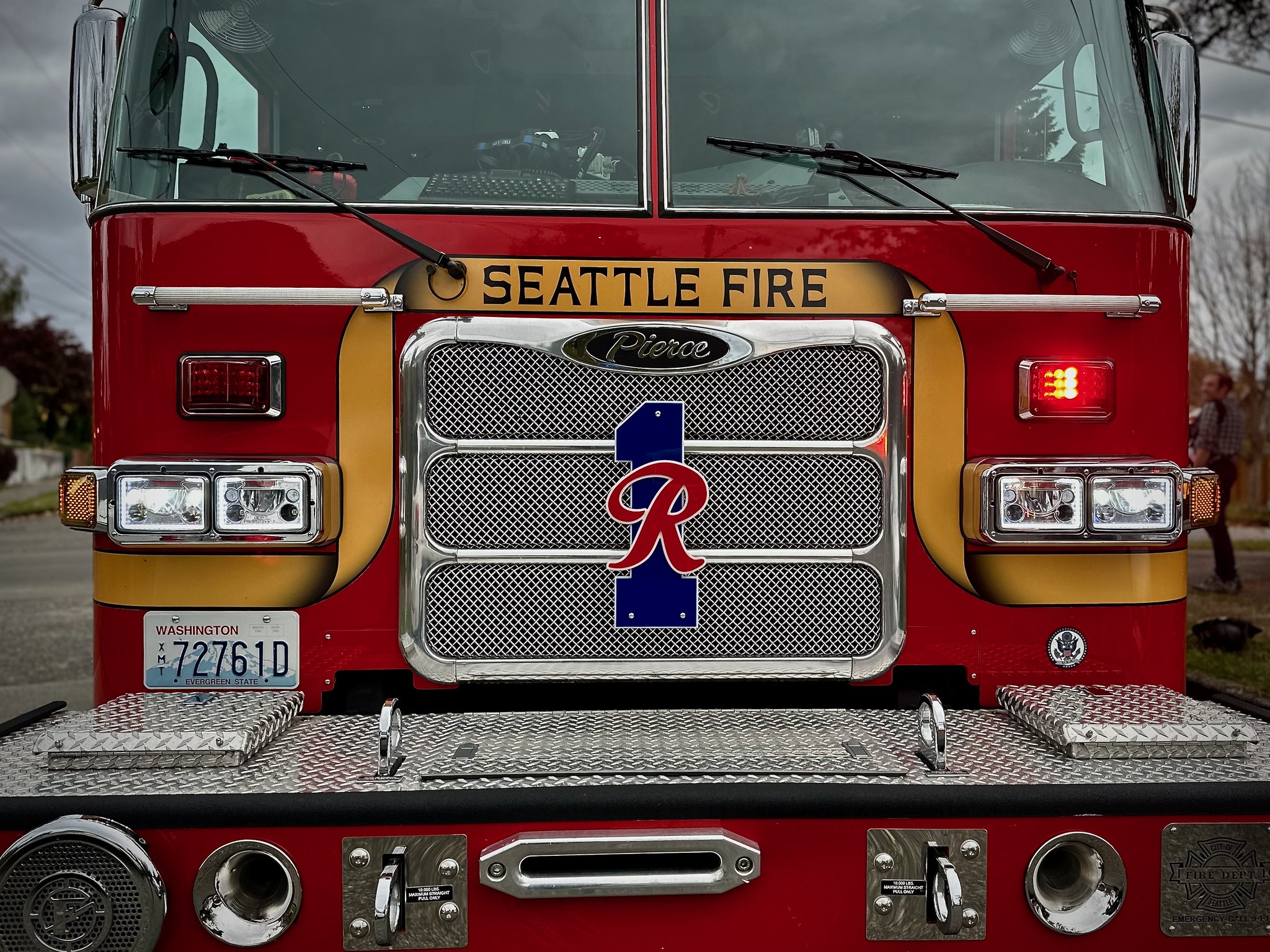
Seattle Fire Department Quietly Implements AI in 911 Call Routing
AI-driven 911 call routing has been quietly shaping emergency response in Seattle for over two years, according to a recent report. Without public disclosure or formal oversight, the Seattle Fire Department (SFD) began leveraging artificial intelligence technology from Denmark-based Corti in December 2023 to help triage and redirect certain medical emergency calls. This initiative, intended to streamline response and alleviate strain on emergency services, was only revealed through investigative journalism, raising critical questions about transparency and public trust.
How the AI System Works
The Corti AI system listens in real-time to all Seattle 911 medical calls. When it detects specific criteria, it prompts dispatchers to route certain callers—typically those deemed non-urgent—to a nurse-staffed call center in Texas, rather than dispatching an ambulance. The SFD’s medical director credits this system with increasing the number of calls successfully redirected to the nurse line, though the precise impact remains debated.
Despite the AI-driven 911 call routing system’s operational status since late 2023, it was not disclosed to the public and did not undergo a review under Seattle’s surveillance ordinance. This ordinance is designed to ensure oversight of technologies that may impact social justice or privacy. The lack of assessment has prompted concern among legal experts and community advocates, particularly given the sensitive nature of emergency medical services.
Transparency and Accountability Concerns
One of the most contentious aspects of Seattle’s AI-driven 911 call routing is the absence of public awareness or formal review. University of Washington law professor Ryan Calo, co-director of the university’s Tech Policy Lab, emphasized the need for transparency. He argued that individuals routed away from traditional 911 support have a right to know how such decisions are made, especially if an error could impact their health or safety.
This debate intensified after a widely publicized 2022 case in which a retiree waited over 10 hours for an ambulance and was later found deceased in her home. The incident, which is now the subject of a lawsuit, has fueled scrutiny of the nurse line process and the technologies supporting it.
Expansion of AI Use in Emergency Services
Seattle is not alone in adopting AI-driven 911 call routing. The practice is expanding across Washington state. Snohomish and Kitsap counties have begun using AI agents for non-emergency calls, while the Tri-Cities region has launched a similar system. These developments are part of a broader trend to integrate artificial intelligence into emergency response operations, aiming to optimize resource allocation and reduce unnecessary ambulance dispatches.
However, the expansion has reignited debates over the balance between efficiency and public accountability. Critics argue that the use of AI in critical public services should be accompanied by robust oversight, clear communication with the public, and mechanisms to address errors or unintended consequences.
Maintaining Human Oversight
SFD Assistant Chief Chris Lombard has sought to reassure the public, stating that human dispatchers retain ultimate authority over every call, even when prompted by AI. This human-in-the-loop approach is intended to ensure that technology supports, rather than replaces, human judgment in life-or-death situations.
Meanwhile, a spokesperson for Mayor Katie Wilson announced that the city is developing a public-facing framework for AI governance. This initiative aims to evaluate current and future uses of artificial intelligence in municipal services, ensuring that these technologies prioritize human well-being and the public good.
The Need for Public Engagement
The rollout of AI-driven 911 call routing in Seattle underscores the need for greater transparency, community engagement, and ethical oversight in the deployment of advanced technologies within public services. As more jurisdictions look to similar solutions, the lessons from Seattle’s experience will likely shape how cities nationwide approach the integration of artificial intelligence in emergency response systems.
AI-driven 911 call routing represents a significant shift in how cities manage emergency medical services. While the potential benefits include improved efficiency and better allocation of resources, the lack of public disclosure and formal review processes has sparked important conversations about trust, accountability, and the role of technology in essential services.
Conclusion: The Future of AI in Emergency Response
As Seattle and other regions continue to innovate with AI-driven 911 call routing, it is crucial that public agencies prioritize transparency and ethical considerations. Involving the community in decisions about emergency technologies can help build trust and ensure that advancements serve the best interests of all residents.
This article is inspired by content from Original Source. It has been rephrased for originality. Images are credited to the original source.