

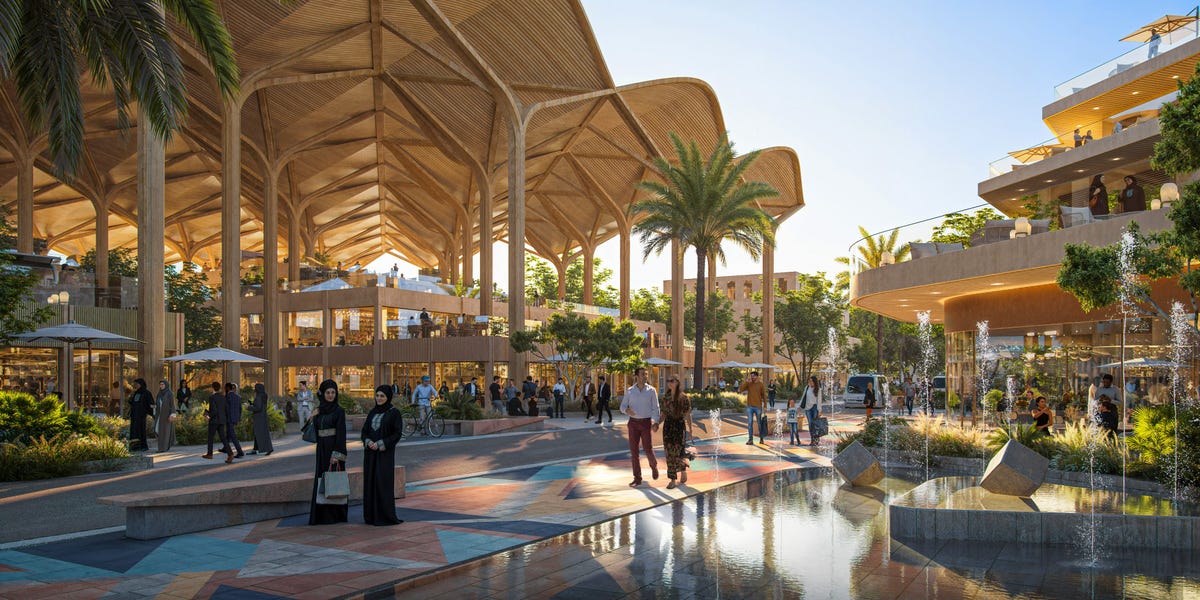
AI Revolutionizes Architecture at Leading Design Firm
Architecture has always been a discipline at the crossroads of creativity and precision. Today, AI in architecture is accelerating the way leading firms conceptualize, draft, and deliver innovative projects. One of the world’s largest architecture firms, Gensler, is pioneering the use of artificial intelligence to enhance their design processes, streamline workflows, and unlock new creative potentials.
The Role of AI in Modern Architecture
Gensler’s adoption of AI in architecture isn’t just about keeping up with the latest trends. The firm leverages cutting-edge AI tools that assist with a range of design tasks, from generating early-stage concepts to optimizing building layouts for sustainability and efficiency. With these advancements, architects can quickly explore more design alternatives, allowing them to deliver better solutions to clients in less time.
For example, AI-powered algorithms can analyze complex site data, predict how sunlight will interact with a building throughout the year, and recommend materials that reduce environmental impact. This data-driven approach not only boosts creativity but also ensures designs are grounded in practical, sustainable considerations.
Streamlining the Design Process
Traditionally, architectural design is a labor-intensive process involving numerous revisions and manual calculations. By integrating AI in architecture, Gensler’s teams are able to automate repetitive tasks and focus more on innovative problem-solving. AI tools help generate and refine floor plans, assess structural integrity, and even suggest interior design options based on client preferences and budget constraints.
Beyond drafting, AI also enhances collaboration. Cloud-based AI platforms allow architects, engineers, and clients to interact with evolving designs in real time. This means feedback can be incorporated instantly, leading to a more agile and responsive design process. Project timelines are shortened, and the risk of costly last-minute changes is significantly reduced.
Enhancing Creativity Through Technology
There’s a common misconception that AI stifles human creativity. In reality, Gensler’s experience shows that AI in architecture acts as a powerful creativity booster. By handling routine work and providing data-driven insights, AI frees up designers to experiment with bold ideas and unconventional solutions that might not otherwise be feasible.
For instance, generative design tools powered by AI can create hundreds of unique building forms based on user-defined parameters. This allows architects to push boundaries and discover innovative approaches that satisfy both aesthetic ambitions and functional requirements. AI enables the firm to tap into a broader range of creative possibilities while maintaining high standards of quality and efficiency.
Improving Sustainability and Efficiency
Sustainability is a top priority for the modern architecture industry. Gensler uses AI in architecture to analyze energy consumption, daylight exposure, and airflow within their designs. These insights guide architects in making decisions that reduce carbon footprints and operating costs over a building’s lifecycle.
AI-driven simulations can evaluate how different design choices impact energy efficiency, helping teams select the best materials, window placements, and structural systems. This proactive approach not only meets regulatory requirements but also aligns with growing client demand for greener, more sustainable buildings.
The Future of AI in Architecture
As AI technologies continue to evolve, their impact on architecture will only deepen. Gensler foresees a future where AI can not only optimize existing workflows but also inspire entirely new design paradigms. By embracing AI in architecture, the firm is setting a benchmark for innovation in the industry, demonstrating that technology and creativity can work hand in hand to shape the built environment of tomorrow.
For architects, clients, and communities alike, the integration of AI promises smarter, faster, and more sustainable design solutions. As more firms adopt these technologies, the landscape of architecture is poised for a profound transformation—one where human ingenuity is amplified by the power of AI.
This article is inspired by content from Original Source. It has been rephrased for originality. Images are credited to the original source.