

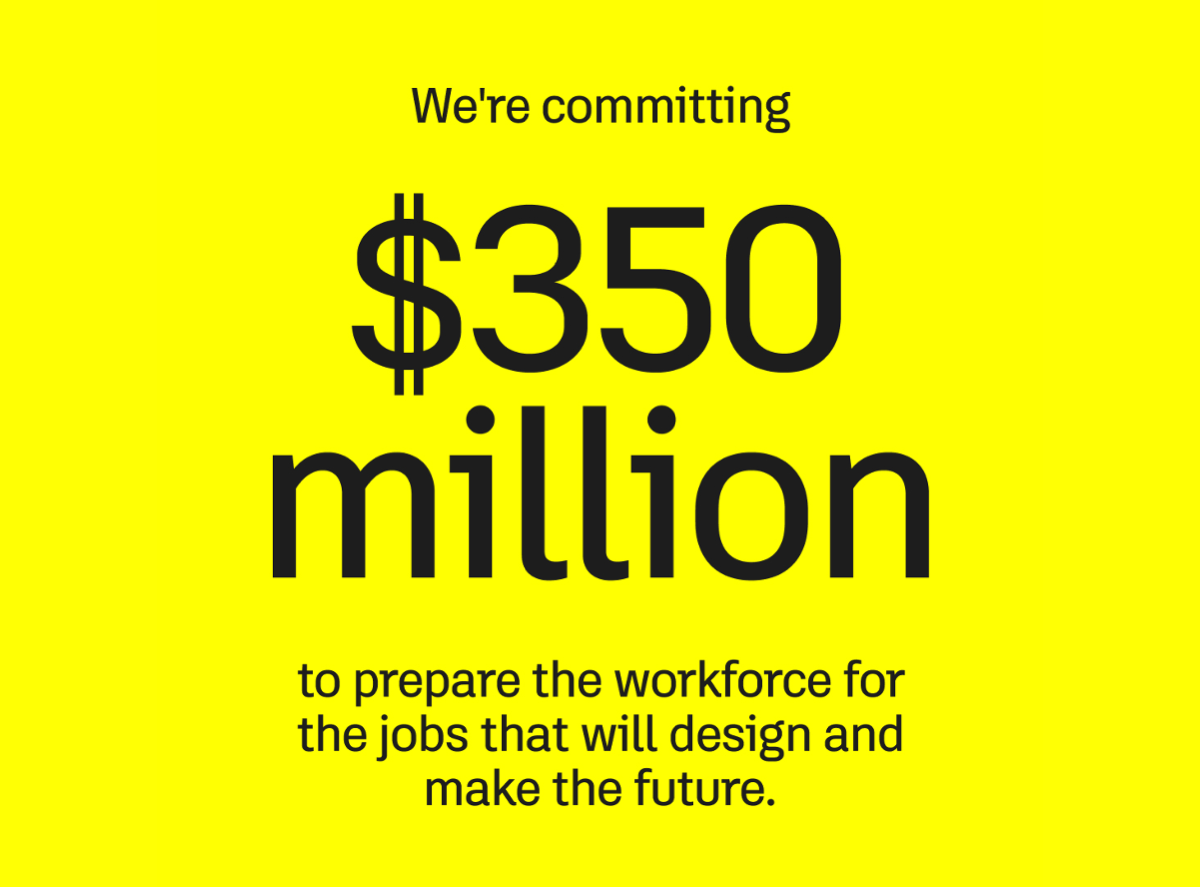
Autodesk’s $350 Million Commitment to AI Job Training
Autodesk has announced a transformative $350 million investment aimed at equipping the next generation with the skills needed for AI-powered design jobs in industries that shape the physical world. This bold initiative, spanning three years through 2028, will expand free access to Autodesk’s professional technology, deliver comprehensive training, and enable industry-recognized certifications for millions of students, educators, and professionals globally.
Addressing the Skills Gap in AI-Powered Design Careers
The latest Autodesk AI Jobs Report reveals a striking trend: while 82% of students feel confident using everyday AI tools such as ChatGPT and Claude, only 36% feel prepared for the AI-powered design jobs of their future professions. Most students are independently learning job-relevant skills online, with 80% turning to platforms like YouTube, but less than 20% receiving hands-on, real-world training. Autodesk’s initiative targets this gap by making advanced design tools and structured training more widely accessible.
Fostering Hands-On Careers in the Physical World
Contrary to the belief that AI might push young talent toward digital-only careers, Autodesk’s research suggests the opposite. Over 66% of students surveyed express a desire for careers where they can make tangible things or work with their hands, a figure that has risen by six points since 2024. As the job market grows increasingly competitive, AI-powered design jobs are drawing the next generation toward industries such as architecture, engineering, construction, manufacturing, and skilled trades.
Expanding Access and Training for AI-Powered Design Jobs
Autodesk’s $350 million commitment involves three principal goals:
- Expanding Free Access: By 2028, Autodesk aims to provide free access to its professional technology for 60 million additional students and educators, building on its decade-long history of reaching over 150 million learners worldwide. Through partnerships with colleges, trade schools, and universities, students gain hands-on experience with industry-standard tools.
- Delivering Comprehensive Training: Nearly one million students, educators, and professionals will be trained in AI-powered design jobs workflows. Autodesk will embed its technology into curricula, work with training centers and trade unions, and support upskilling across various trades, including advanced specialties like Building Information Modeling (BIM) and commercial electrical work.
- Enabling Industry Certifications: More than 200,000 individuals will earn industry-recognized certifications, bridging the gap between employer needs and student qualifications. With the majority of organizations now prioritizing certifications, Autodesk partners with Pearson and Certiport to provide credential pathways from foundational to professional expertise.
Global Reach and Collaboration
Autodesk’s initiative is international in scope. In India, one of the world’s largest talent markets, Autodesk collaborates with over 14,500 Industrial Training Institutes and 33 National Skill Training Institutes to deliver digital skills and modern curricula. Partnerships with employers such as NAMTECH and ArcelorMittal Nippon Steel further align training with real industry needs, ensuring that students and workers receive relevant, job-ready education.
AI is Reshaping the Design and Make Industries
The demand for AI-powered design jobs is rising rapidly. According to the Autodesk AI Jobs Report, job listings across architecture, engineering, construction, manufacturing, and design have increased nearly two and a half times in just two years. Notably, creative skills like design, communication, and leadership are now more sought after than purely technical abilities such as coding. This shift underscores the importance of equipping the workforce with both technical and human-centric skills to succeed in a changing landscape.
Bridging the Readiness Gap
Despite students’ enthusiasm and curiosity, a significant readiness gap remains. Only 27% of surveyed students are actively pursuing certifications, even as 92% of employers state these credentials are essential to their workforce strategy. Autodesk’s plan addresses this disconnect by making certification pathways more accessible and aligning them with industry demands, thereby enhancing the prospects of students entering AI-powered design jobs.
Conclusion: Investing in the Future of AI-Powered Design Jobs
As AI transforms the industries that design and make our physical world, Autodesk’s $350 million investment ensures that students, educators, and professionals are prepared for the opportunities ahead. By expanding access to technology, providing world-class training, and enabling industry certifications, Autodesk is empowering the workforce of tomorrow to thrive in AI-powered design jobs and shape a more innovative, hands-on future.
This article is inspired by content from Original Source. It has been rephrased for originality. Images are credited to the original source.