

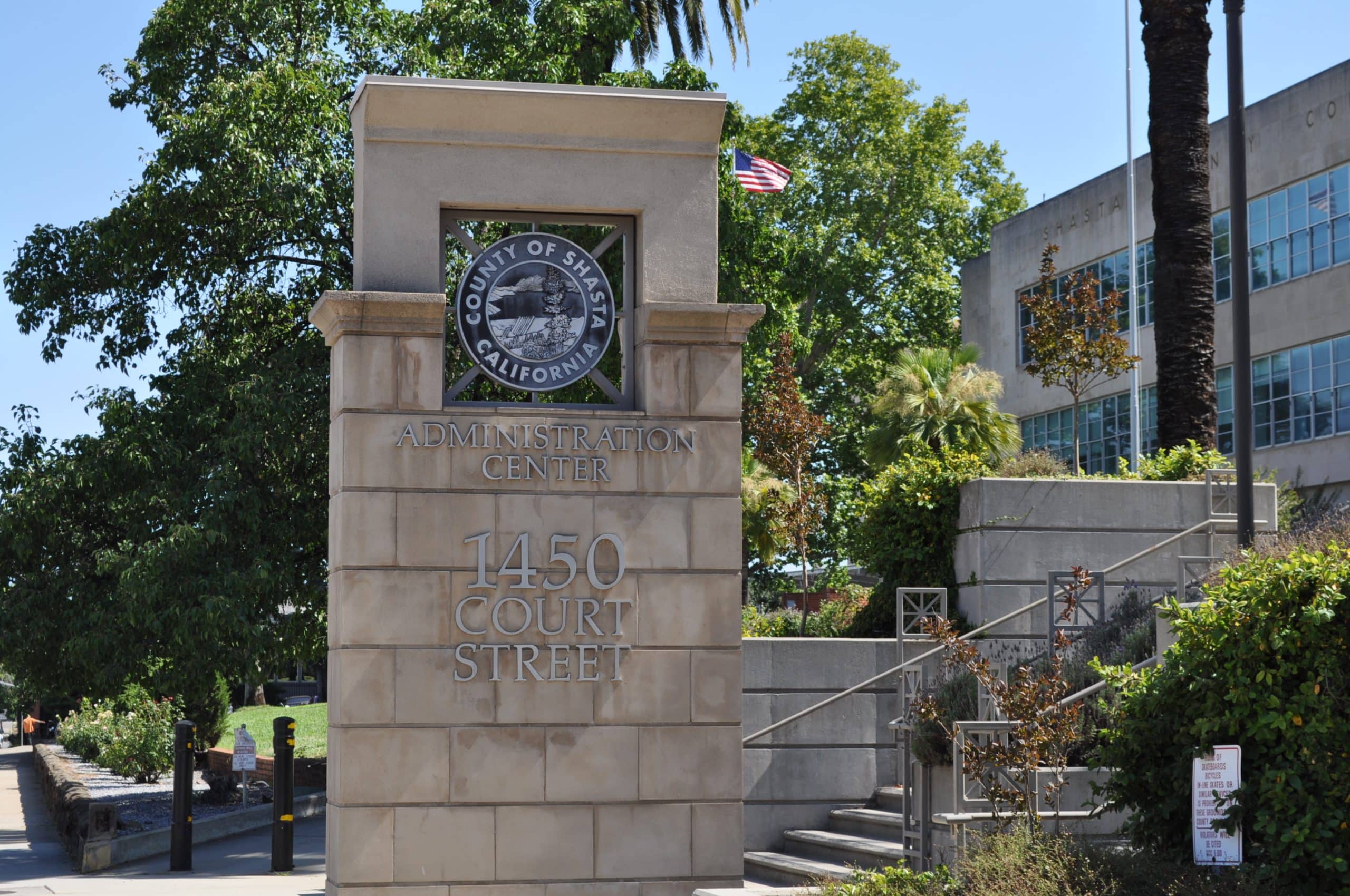
Shasta County Embraces AI Policy Following Intense Debate
The conversation surrounding AI policy in government was front and center at the latest Shasta County Board of Supervisors meeting, where the board voted unanimously to pass a resolution supporting the integration of artificial intelligence into county operations. The decision comes after weeks of discussion, reflecting both strong support and notable skepticism from supervisors and the public alike.
Supervisors Aim to Modernize County Processes
District 4 Supervisor Matt Plummer sponsored the resolution, emphasizing that the adoption of an AI policy in government is designed to address ongoing employee shortages and financial pressures faced by county departments. “This isn’t about replacing employees,” Plummer assured, “but about supporting staff and improving efficiency where possible.” He was quick to note that safeguards would be put in place to ensure that human oversight remains a central part of all AI deployment.
During the meeting, Shasta County’s Chief Information Officer, Thomas Schreiber, provided further clarity on how the new policy would be implemented. “We should treat AI as a tool—just as we do with any other software,” Schreiber explained. “The key question is: does this tool solve a particular problem for a department?”
Security and Oversight Take Center Stage
Supervisors raised important concerns about data privacy and security as the county moves forward with its AI policy in government. District 2 Supervisor Allen Long specifically questioned how sensitive information would be protected from potential leaks. Schreiber reassured the board that the AI systems would be provided by contracted vendors with built-in security measures. “Agreements will contain parameters to guarantee sensitive data remains securely contained within the county’s infrastructure,” he said.
Addressing public rumors, Schreiber also clarified that there are no plans for Shasta County to build its own data center for AI operations. “No, the county is not building their own AI data center,” he confirmed, responding to concerns raised by Supervisor Chris Kelstrom.
Developing a Comprehensive AI Framework
Both Plummer and Schreiber made it clear that the resolution is only the first step in the county’s journey toward a robust AI policy in government. A more detailed policy document is currently in the works, which will outline acceptable and prohibited uses, distinguish high-risk from low-risk applications, and define oversight responsibilities. Plummer expects that the finalized policy will be ready by the end of the summer.
Schreiber noted that Shasta County is looking to Placer County’s existing AI policy as a template. “There’s significant collaboration among California counties,” he said, referencing the ongoing exchange of best practices between IT departments across the state’s 58 counties.
Public Reactions Remain Mixed
While the board’s vote was unanimous, the public’s response highlighted the controversial nature of AI policy in government. Some supervisors and community members raised concerns about the county becoming overly dependent on AI, with District 3 Supervisor Corkey Harmon likening it to “sending soldiers to the front lines.” One public commenter even referenced the biblical Book of Revelation, comparing AI to “the beast,” underscoring deep-seated fears around new technologies.
Despite these reservations, supervisors noted that certain county departments are already using AI in various forms—albeit without a formalized set of rules. The newly passed resolution is expected to pave the way for cohesive, transparent, and accountable practices in the use of AI throughout county operations.
Looking Ahead: Implementation and Oversight
As the debate over AI policy in government continues, Shasta County’s leadership remains committed to finding a balanced approach that leverages technology for public good without sacrificing accountability or security. The board’s decision to pass the resolution with a 5-0 vote signals clear intent to modernize services while remaining responsive to community concerns.
Plummer expressed optimism for the future, stating his hope that the detailed policy will provide clear guidelines and help address both the opportunities and risks associated with AI in the public sector. With final policy details expected by summer’s end, Shasta County stands as a case study for local governments navigating the complex path toward responsible AI adoption.
This article is inspired by content from Original Source. It has been rephrased for originality. Images are credited to the original source.