

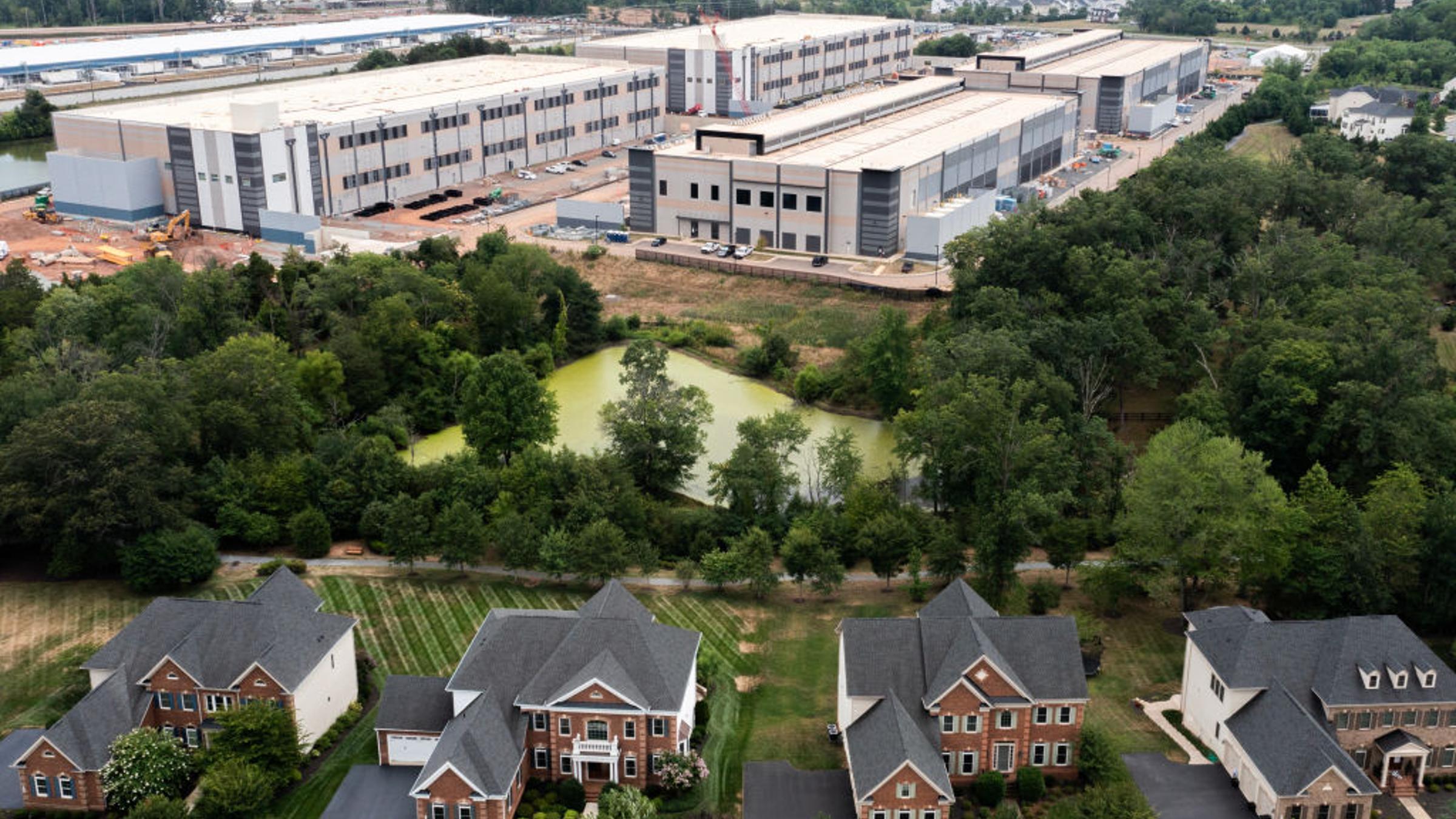
AI’s Growing Water Footprint: A Global Concern
The environmental impact of artificial intelligence (AI) is under intense scrutiny as a recent United Nations report warns that AI water use could match the annual needs of 1.3 billion people by 2030. This alarming projection highlights a growing challenge for communities and policymakers worldwide as AI-driven data centers rapidly expand to meet soaring demand.
The True Environmental Cost of AI
While much of the public debate about AI’s impact has focused on its carbon emissions, the new report from the United Nations University Institute for Water, Environment and Health (UNU-INWEH) stresses that water and land usage are equally critical. Data centers powering AI systems require substantial energy for both processing and cooling. This cooling process, in particular, drives up AI water use, which is often overlooked in sustainability discussions.
By 2030, global data centers are projected to consume 945 terawatt-hours of electricity—almost triple the combined annual electricity use of Pakistan, Bangladesh, and Nigeria, which together house more than 650 million people. The report finds that the water footprint of these data centers could equal the basic water needs of all 1.3 billion people in Sub-Saharan Africa for a year, while their land footprint could surpass 5,590 square miles, about twice the area of metropolitan Jakarta.
Tradeoffs in “Green” Energy Choices
Switching to renewable energy sources for AI infrastructure might seem like a clear path to sustainability. However, researchers caution that such transitions can create difficult trade-offs. For example, moving from coal to bioenergy reduces carbon emissions by 70%, but increases water usage thirtyfold and land usage a hundredfold. As Miriam Aczel, lead author of the report, states, “If we keep judging AI sustainability by carbon alone, we might think that renewables make AI infrastructure clean, but that is solving one problem while creating others, often in places that didn’t ask for it.”
Local Impacts and Resource Strain
The rapid growth of data centers is already straining local resources in several regions. In 2025 alone, data centers consumed an estimated 448 terawatt-hours of electricity, surpassing the entire nation of Saudi Arabia. In Ireland, data centers accounted for 21% of total metered electricity use in 2023, outpacing urban households and prompting the national grid operator to halt new data center approvals in Dublin until 2028.
Water usage is a particularly pressing issue. Large data centers can require up to 5 million gallons of water daily to keep servers cool. In drought-prone areas like Querétaro, Mexico, and Uruguay, proposed or expanding data centers have provoked public outcry over threats to local water supplies. In Uruguay, protests erupted after a water-intensive data center was proposed during a drought that rendered tap water undrinkable in the nation’s largest city.
Inequality and the Expanding Digital Divide
The environmental costs of AI water use are not spread evenly. The report highlights a growing digital divide, with wealthier countries hosting most of the world’s AI-specialized data centers. As of 2025, only 32 countries—just 16% of all nations—host these facilities, and 90% of capacity is concentrated in the United States and China. This concentration not only deepens technological inequality but also means that the environmental burden is often borne by lower-income nations, particularly when it comes to electronic waste and resource depletion.
By 2030, AI infrastructure could generate up to 2.5 million metric tons of electronic waste annually. Much of this waste ends up in low-income countries, exposing communities to hazardous substances and compounding environmental injustice.
Building a Responsible AI Ecosystem
The UNU-INWEH report calls for urgent action to ensure that the development of AI infrastructure does not come at the expense of vulnerable communities and ecosystems. Recommendations include robust permitting processes, thorough environmental impact assessments, and meaningful community consultation that accounts for carbon, land, and especially AI water use.
Governments, investors, and financial institutions are urged to set clear guardrails to minimize environmental harm. As Kaveh Madani, director of UNU-INWEH, notes, “We have a narrow window to ensure that the backbone of the technological revolution of our era develops within planetary limits, and that the communities who provide the critical minerals for advancing AI and the ones that host its infrastructure and e-waste are also among those who benefit from it.”
Conclusion: The Future of AI Water Use
The future of AI water use is a key concern as the world races to harness the benefits of artificial intelligence. Balancing technological progress with environmental stewardship and social equity will require coordinated global action and a holistic view of sustainability beyond carbon emissions alone. As AI continues to shape our world, responsible management of its water and land footprint will be crucial to ensure that progress does not come at an unacceptable cost.
This article is inspired by content from Original Source. It has been rephrased for originality. Images are credited to the original source.