

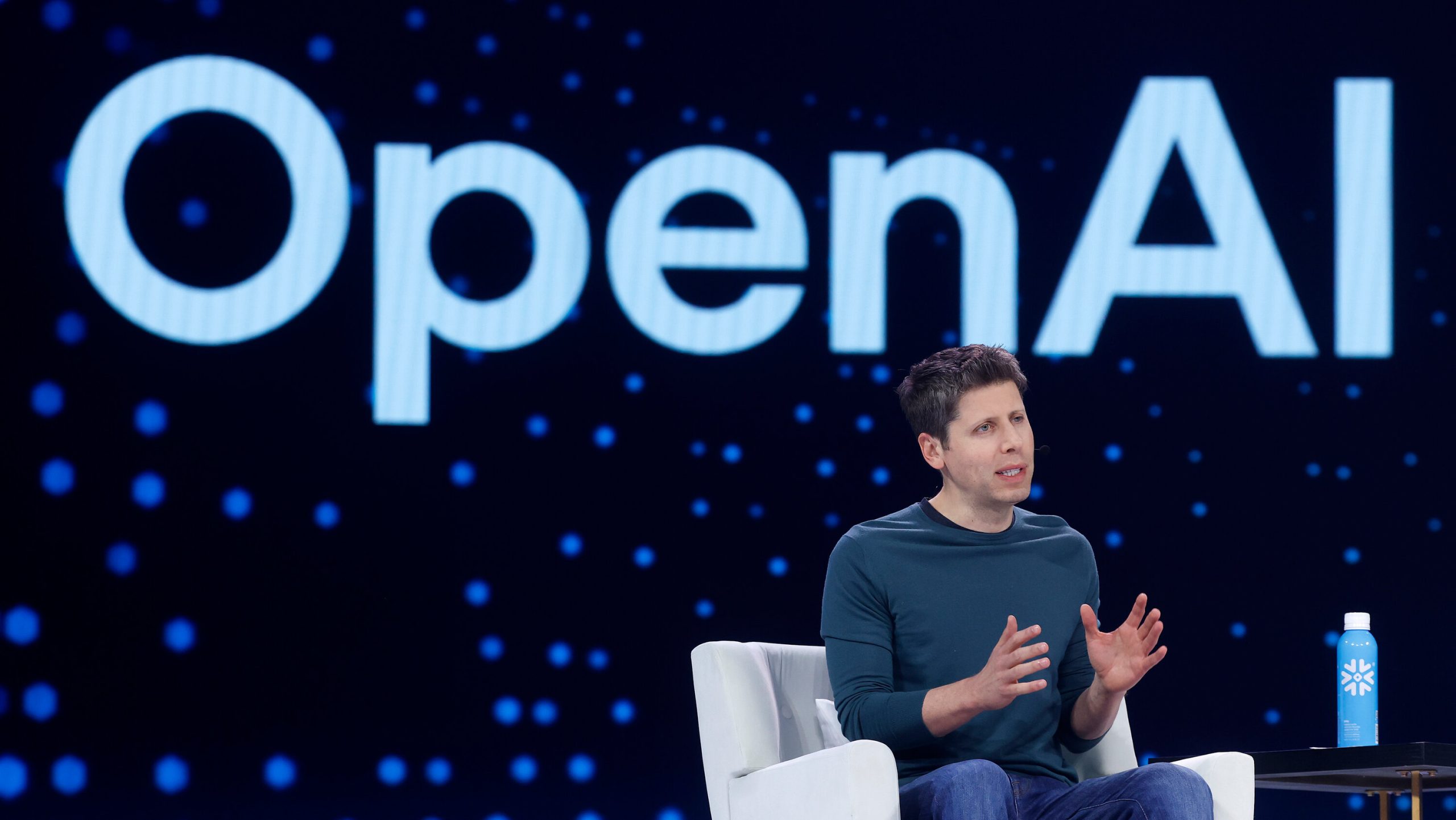
States Launch Investigation Into OpenAI’s AI Practices
In a significant move reflecting growing concern over AI regulation, a coalition of state attorneys general has begun a sweeping investigation into OpenAI, the leading artificial intelligence start-up. This development underscores the increasing scrutiny tech companies face as artificial intelligence becomes more embedded in daily life, particularly regarding the safety of minors and user data.
On Friday, state officials from New York, Colorado, and several other states issued subpoenas to OpenAI, demanding internal documentation about its business practices. Their requests focus on critical issues including how OpenAI manages user information, its strategies for protecting young users, and its marketing approaches.
OpenAI Responds to Regulatory Concerns
In response to the investigation, OpenAI released a statement expressing its intent to cooperate. “We take the concerns raised by state attorneys general seriously and intend to engage constructively with their offices,” the company stated. OpenAI further highlighted its latest safeguards, noting that the most recent version of ChatGPT includes robust parental controls designed to enhance child safety. “None of this changes what families have gone through, but we are committed to learning, improving, and getting this right,” the company emphasized.
This investigation into AI regulation comes at a time when artificial intelligence is under the microscope for its potential harms and societal impact. OpenAI declined to share further details on the investigation, which was initially reported by The Wall Street Journal.
Mounting Concerns Over AI’s Societal Impact
The surge in regulatory interest is partly driven by incidents involving children and AI technologies. There has been a rise in cases where minors have been harmed after interacting with AI systems, as well as an uptick in AI-fueled scams. These concerns are compounded by ongoing debates over AI’s potential to displace human workers and the escalating energy demands required to power vast data centers.
Regulators nationwide are responding. This past Friday, the Trump administration barred foreign nationals from accessing Anthropic’s new Mythos and Fable 5 AI systems, citing national security fears. Additionally, President Trump has signed an executive order urging tech firms to grant the government oversight of new AI models before they are released to the public—a notable shift from his previous hands-off approach.
States Take Independent Action on AI Regulation
As federal oversight evolves, individual states are forging ahead with their own AI regulation measures. Lawmakers have introduced dozens of bills aimed at establishing guardrails around AI technologies. Over 100 state laws now specifically ban chatbots for minors, mandate security risk assessments for AI systems, and seek to protect copyrighted materials from unauthorized use by AI platforms.
Legal battles are also intensifying. The New York Times has sued OpenAI and its partner Microsoft, accusing them of copyright infringement related to news content. Both companies have denied these claims. Meanwhile, California Governor Gavin Newsom recently issued an executive order to review and potentially overhaul labor policies, aiming to mitigate the risks of mass job displacement due to AI adoption. The order calls for collaboration between state agencies, academics, labor organizations, and the AI industry to devise strategies that support companies retaining human employees.
Recent and Ongoing Legal Challenges
State-level investigations often pave the way for high-profile lawsuits. For example, in 2023, New Mexico’s attorney general took Meta to court over child safety violations on its social media platforms, ultimately securing a $375 million jury award. Florida became the first state to sue OpenAI earlier this month, asserting that ChatGPT endangered children and that OpenAI failed to adequately warn the public about these risks. The state’s attorney general is also pursuing a criminal investigation after reviewing messages exchanged between ChatGPT and a suspect in a deadly shooting at Florida State University.
Other states are taking similar actions against AI companies. California is investigating x.AI, a SpaceX subsidiary, for producing non-consensual sexualized AI-generated images of women and minors. Kentucky has filed suit against Character.AI, alleging violations of consumer protection laws by exposing children to hazardous AI applications.
The Future of AI Regulation
As artificial intelligence continues to proliferate, the debate over effective AI regulation is intensifying. State investigations, legislative measures, and high-profile lawsuits are shaping the future landscape for AI companies like OpenAI. The outcome of these efforts will have far-reaching implications, influencing not only how AI technologies are developed and deployed but also how society manages the risks and opportunities they present.
This article is inspired by content from Original Source. It has been rephrased for originality. Images are credited to the original source.