

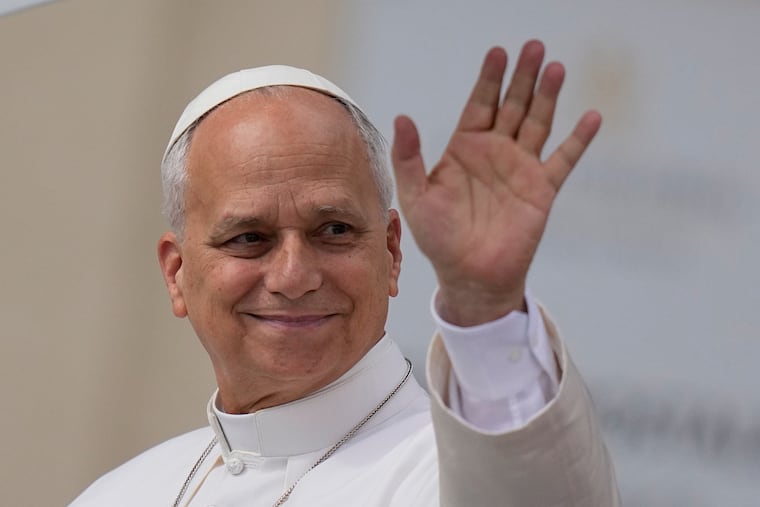
Pope Leo XIV Forms Vatican Study Group on AI Ethics
Pope Leo XIV has taken a bold step in addressing AI ethics by establishing a study group dedicated to examining the impact of artificial intelligence. As the Vatican prepares to release his first encyclical, the focus_keyword “AI ethics” is at the forefront of global discussions surrounding technology and humanity.
Vatican’s Growing Concern Over AI
The Vatican announced that Pope Leo XIV’s decision to create an internal study group stems from the rapid growth of artificial intelligence and its profound implications. The group will focus on the effects of AI on individual people and humanity as a whole, underscoring the Catholic Church’s deep-rooted concern for human dignity. This move comes as the world grapples with the ethical challenges of emerging technologies.
Pope Leo XIV’s upcoming encyclical is highly anticipated, as it is expected to emphasize the necessity of an ethics-based approach to AI. The document will place AI ethics within the context of Catholic social teaching, which covers labor, justice, and peace. The Pope’s initiative reflects a belief that the Church must play a central role in guiding society through the complexities of technological change.
Historical Context: Echoes of Rerum Novarum
The timing of this announcement is significant. Pope Leo XIV signed the encyclical exactly 135 years after Pope Leo XIII’s landmark Rerum Novarum, a document that addressed workers’ rights during the Industrial Revolution. Drawing a parallel, the current Pope sees the “AI revolution” as raising similar existential questions about labor and justice. By invoking this history, the Vatican signals its intent to shape the conversation around AI ethics for years to come.
The Church’s Unique Voice in the AI Debate
Many experts believe the Catholic Church will be a leading advocate for human dignity in the age of artificial intelligence. Meghan Sullivan, a philosophy professor at the University of Notre Dame, noted that the Church brings a mature, values-driven perspective to debates on integrating AI into society. In his first address as Pope, Leo XIV stressed the Church’s obligation to offer its social teaching to confront challenges posed by AI, particularly on topics like AI ethics, justice, and labor.
With nearly 1.5 billion Catholics worldwide, the Vatican’s perspective on AI ethics carries significant weight. As theologian Thomas Harmon of the University of St. Thomas points out, the Church’s extensive tradition in understanding what it means to be human positions it uniquely to address AI’s implications.
Global Regulatory Tensions Over AI
The upcoming encyclical is expected to become a focal point in ongoing debates about AI regulation, especially between the Vatican and the U.S. government. While the United States has prioritized rapid AI development as a matter of economic and security strategy, it has resisted international regulatory efforts. This divergence highlights the need for a worldwide consensus on AI ethics and responsible innovation.
Internationally, the United Nations and the European Union have taken steps to regulate AI, with the EU’s Artificial Intelligence Act adopting a risk-based approach. Yet, many global summits have resulted only in nonbinding pledges. In contrast, the Vatican has consistently advocated for ethical guidelines across AI applications—from warfare to healthcare and education—emphasizing that technology should complement rather than replace human intelligence.
Ethical Guidelines: The Rome Call for AI Ethics
In 2020, the Vatican launched the Rome Call for AI Ethics, a pledge that established core principles for AI regulation, such as inclusiveness, accountability, impartiality, and privacy. Major technology companies like Microsoft, IBM, and Cisco were early signatories, indicating the private sector’s recognition of the importance of AI ethics.
The Vatican’s efforts extend to warning about the environmental impact of AI, highlighting the vast energy and water consumption of data centers. This holistic approach to AI ethics addresses not only moral and social issues but also sustainability concerns.
AI Ethics in Warfare and Society
Pope Leo XIV has consistently warned against the unchecked use of AI in warfare, advocating for a ban on lethal autonomous weapons, often called “killer robots.” He emphasizes that decisions regarding life and death must remain in human hands, reinforcing the principle that AI should serve humanity, not endanger it.
Within the Church, Leo XIV has cautioned priests against relying on AI-generated homilies, while acknowledging AI’s potential in healthcare and scientific discovery. He remains vigilant about the risks of generative AI, such as misinformation and deepfakes, which threaten the search for truth—a core value of his spiritual tradition.
Looking Ahead: The Church’s Role in Shaping AI Ethics
As the Vatican readies Pope Leo XIV’s first encyclical, the world watches to see how the Church will influence the evolving field of AI ethics. By establishing a study group and issuing ethical guidance, the Catholic Church aims to ensure that artificial intelligence remains a tool for peace, justice, and human dignity. As the focus_keyword “AI ethics” continues to shape global debate, the Vatican’s involvement promises to be a guiding force in aligning technology with humanity’s highest values.
This article is inspired by content from Original Source. It has been rephrased for originality. Images are credited to the original source.